The A-to-Zs of Central Oregon: M is for MOUNT BACHELOR

We're back to our regularly-scheduled programming, with a very special entry of the Central Oregon A-to-Zs!

Photo by Chaney Swiney

Photo by Chaney Swiney

It would be remiss of us to discuss the wonders of Central Oregon without mentioning MOUNT BACHELORThis is one of the most popular destinations in Bend, in both summer and winter. The peak is easily visible from Bend, with its iconic flat top beckoning visitors and locals alike to come and explore! Luckily, this mountain is home to a world famous ski resort and endless recreational activities.

History 

Since its founding, the history of Bend has been directly linked to Mount Bachelor. The mountain was originally named Bachelor Butte, aptly named for the fact that it stands apart from the the Three Sisters mountains nearby. 

We talked about the rise of alpine skiing in a previous blog post, detailing how the Skyliners Ski Club were largely responsible for bringing the sport to Central Oregon. Bill Healy-- a member of this iconic ski club in the 1950s-- went on to found the Mount Bachelor ski resort we know and love today. His team decided that "Bachelor Butte" might seem too small-time to attract many skiers, and so they named the resort Mount Bachelor. It opened in 1958, and attracts hundreds of thousands of visitors each season to hike, ski, snowboard, snowshoe, snow tube, and even dogsled

Bill Healy overseeing early construction on Mount Bachelor. Courtesy of Snow Brains.

Bill Healy overseeing early construction on Mount Bachelor. Courtesy of Snow Brains.

Formation & Physical Attributes 

Mount Bachelor. Photo by Danny Walden.

Mount Bachelor. Photo by Danny Walden.

Sitting at 9,065 feet of elevation, Mount Bachelor is one of the crown jewels of the Central Cascade Mountains. The Cascades are a Volcanic Arc, meaning they formed as one tectonic plate was pushed under another in a process called subduction. The North American Plate (on top of which Mount Bachelor sits) is steadily moving northwest at a breakneck speed of 2 inches per year. As this happens, the much heavier Juan De Fuca Plate is pushed under it. This material melts into magma and rises to the surface, creating the Cascades. This is exactly what created the stratovolcano we now call Mount Bachelor about 15,000 years ago. 

Though not nearly as glaciated as other peaks in the High Cascades, Bachelor still bears scars of glaciers past. Most noticeably in the bowl located on the northern face of the peak, pinnacles of lava chambers remain where the rest has been worn away.

Want to explore the old growth Hemlock forest surrounding Mount Bachelor? We got you.

Want to explore the old growth Hemlock forest surrounding Mount Bachelor? We got you.

how to play responsibly

There's nothing better than zipping down a ski slope on a bluebird winter day or hiking to the top to see a beautiful summer view, but what can we do to make sure this mountain-- home to a wide variety of native plants and animals-- remains so clean and healthy? 

1. Stay on the trails!

This is a big one. We definitely understand to the temptation to go explore the woods-- that's why we've gone through the training, and attained necessary permits to do responsibly on our daily winter snowshoe tours. Mount Bachelor is surrounded by an amazing old-growth forest-- part of the immense Deschutes National Forest, which is over 2,400 square miles of protected forest area. Any time you happen to trample a plant, or disturb a nest, you're directly affecting the health of the forest! That's why we recommend heading out with us, rather than on your own. 

2. Keep it clean

Try to reduce the amount of waste you're bringing up to the mountain, and if you see some garbage-- pick it up! If you're a smoker, definitely wait to smoke at the lodge, rather than smoking out on the chairlifts or slopes. 

3. Carpool to the mountain

The easiest way to reduce your footprint is by reducing the amount of time you spend driving! Hop in a friend's car to head up to the mountain, bring your four friends along in your hatchback, or hop in one of our vans to enjoy a tour! 

4. STAY SAFE!

The best way to ensure that you protect Mount Bachelor is by protecting yourself. If you stay on the trails and protect yourself from injury by wearing the proper gear, then there will be no need for the mountain's rescue services to come to your aid! Mount Bachelor Resort has designed everything perfectly so that you might enjoy the benefits of the mountain, without needing to put yourself or other in danger. So, enjoy!

Summer 2018 Wanderlust Tours Staff Outing: John Day River!

We're pretty lucky to be able to explore all the amazing wonders of Oregon. That's why we try to explore something new each season for our staff outing. Sometimes we even turn our staff outings into custom tours for corporate groups, family reunions, bachelor/bachelorette events, or other group outings! This one was pretty amazing, and we were lucky to witness some stunning scenery. 

All photos by Danny Walden

All photos by Danny Walden

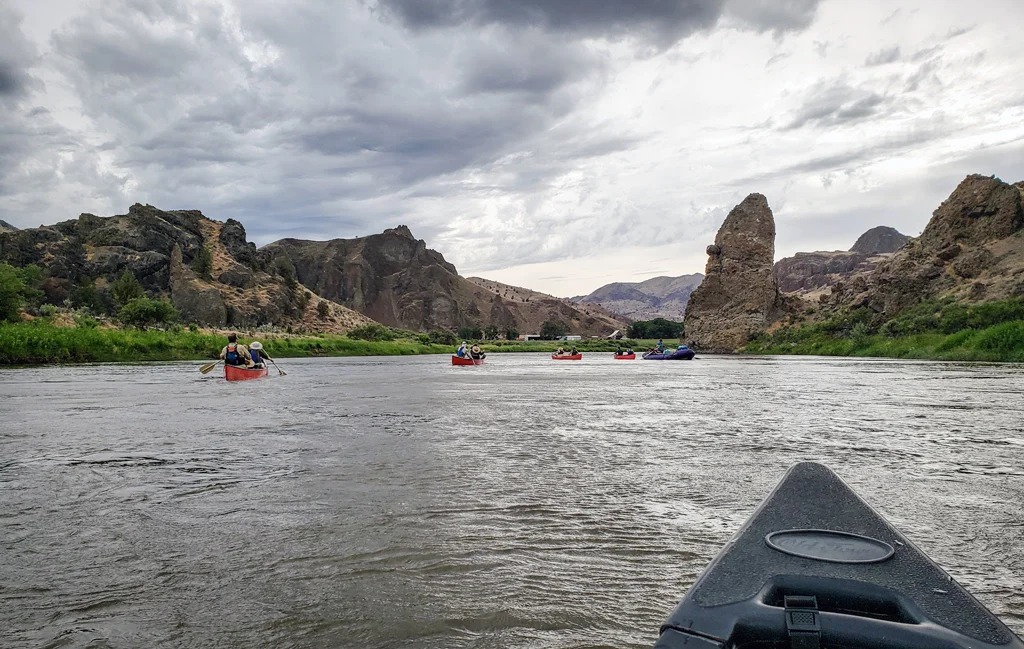
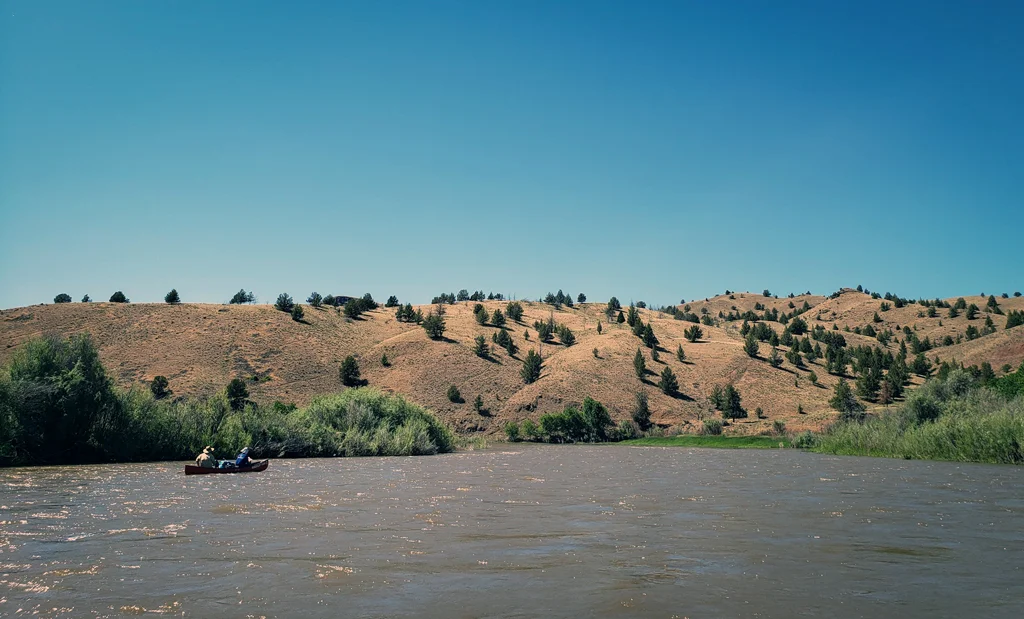
Last week we had an amazing three days canoeing the John Day River! We're lucky to love what we do, but it's also nice to set aside time away from work to hang out together. We set aside a couple of days each season for an outing, and for our Summer 2018 Staff Outing, we set out for three days of canoeing out on the water. 

John-Day-Canoe-Trip-Wanderlust-Tours

The John Day River is a tributary to the Columbia River. It's about 284 miles long, and is the third longest free-flowing river in the continental United States. It's one of the few undammed rivers in Oregon, and flows through some pretty amazing desert landscapes. 

Did we mention we love to hang out together? 

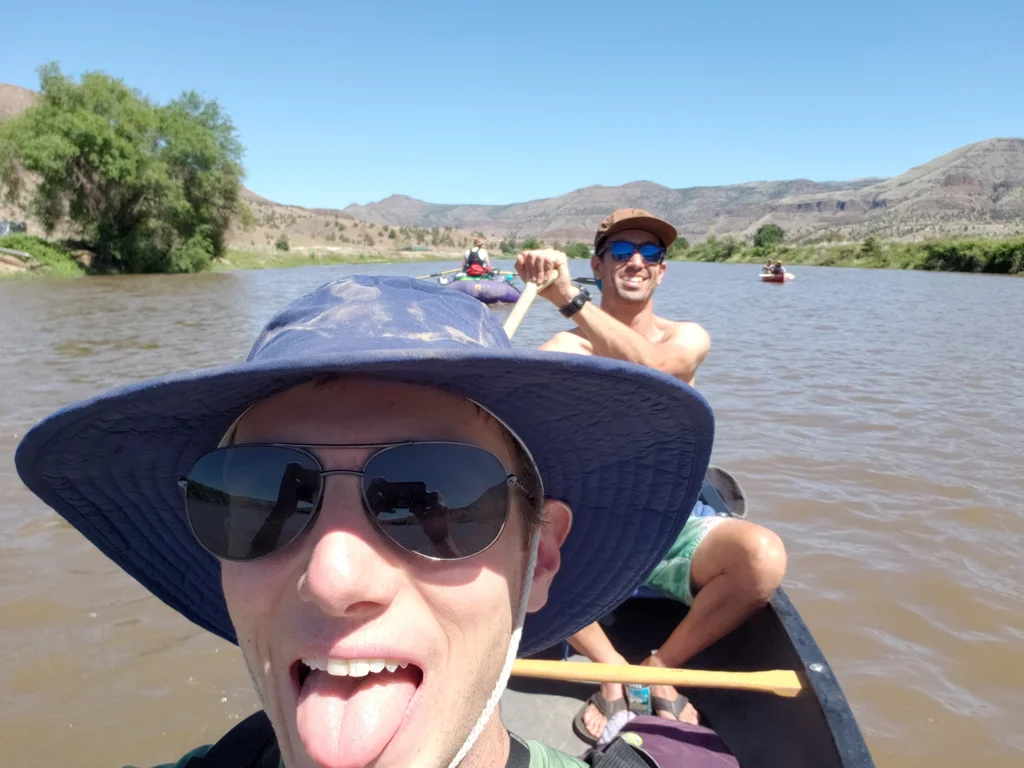
Naturalist Guides Danny & Nick paddling

Naturalist Guides Danny & Nick paddling

Naturalist Guides Erika & Jason enjoying some delicious Crux on the hilltop!

Naturalist Guides Erika & Jason enjoying some delicious Crux on the hilltop!

Naturalist Guide Courtney plays ball

Naturalist Guide Courtney plays ball

Naturalist Guides Julie and Jared make a great paddling team!

Naturalist Guides Julie and Jared make a great paddling team!

The River

John-Day-River-Oregon
Canoeing-John-Day

We took our trusty canoes out on the water and experienced the perfect blend of weather. We enjoyed beautiful sunshine on the first and second days and dramatic clouds on the horizon for the third day. 

Office Assistant/Naturalist Guide Phenix leads the way

Office Assistant/Naturalist Guide Phenix leads the way

Sharky-Wanderlust-Tours

Sometimes the river got the best of us, but luckily we had some personal flotation devices handy (thanks, Sharky!). 

Moonlight-John-Day-River
We had a visitor at our campsite on the last morning!

We had a visitor at our campsite on the last morning!

Our two campsites were amazing. We set up our tents among the fields of sage dotting the landscape, taking in the stunning hillsides all around us. On the first night, we saw a dramatic moonrise over the mountain across the river. 

John-Day-Fossils-Bed-Tours-Wanderlust

We also stopped at the John Day Fossil Beds. These are the amazing Painted Hills of Eastern Oregon, with their signature stripes of red, black, and grey in the golden sand dunes. We had a great time! If you think you might be interested in bringing a group to the John Day River or the Fossil Beds, reach out to our Group Coordinator to get started! 

Let's talk about BIRD WATCHING!

We're taking a break from the Central Oregon A-to-Zs to discuss a topic near and dear to our hearts: BIRD WATCHING. Our Naturalist Guides are all pretty nerdy about our local birds, and many of them enjoy venturing out into the wilderness to observe them in their natural habitat. 

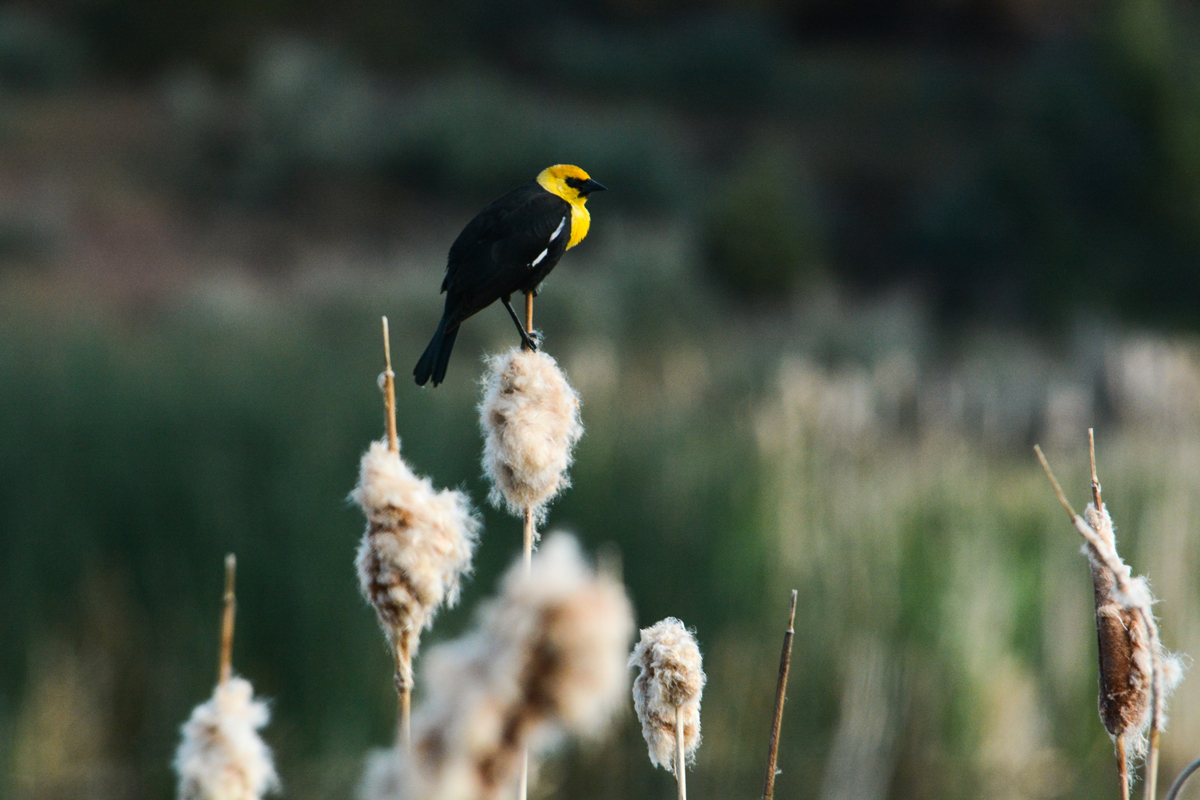
A Yellow-Headed Blackbird. Photo by Chaney Swiney. 

A Yellow-Headed Blackbird. Photo by Chaney Swiney

BIRD TALES

Wanderlust Tours founder, Dave Nissen recalls his favorite bird sighting, on the Deschutes River right in the heart of Bend. Right in the middle of the town, he witnessed a Bald Eagle careening down from the sky to strike at a mallard (and, unfortunately for the mallard, it was eaten!). 

He recounts another Bald Eagle sighting: 

"The eagle was prowling the waters up on one of the Cascade Lakes, where there were about 10,000 coots on the water. After seven overhead passes, the eagle had picked its prey, swooped down, and nabbed one coot while the other 10,000 took off in flight. The sound of flapping wings and feet running on the water surface was incredible."


Bald-Eagle-Bend-Oregon
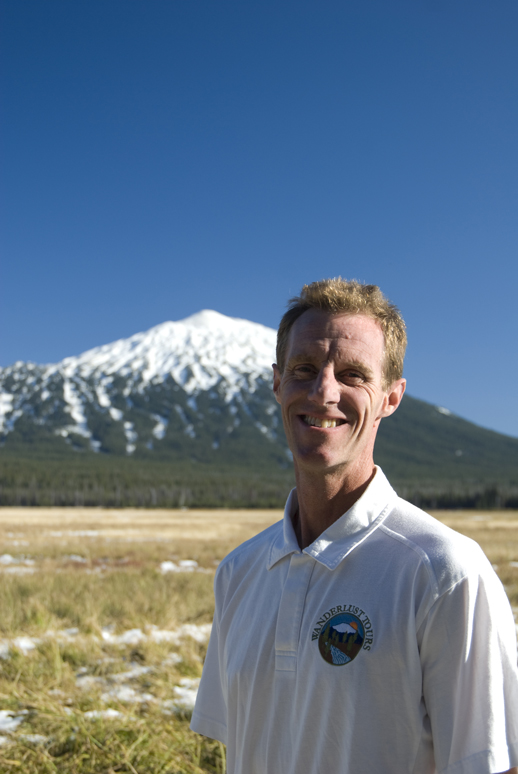
Wanderlust Tours Founder Dave Nissen

Wanderlust Tours Founder Dave Nissen

"One of my favorite summer Cascade Lakes activities is watching the Bald Eagles and Osprey fight over fish.  The Osprey does the work of poaching a trout out of the lake, then the Bald Eagle comes swooping in to spar with the Osprey. The Osprey, in order to protect itself in-flight, releases the fish, then goes talons-up to battle with the Eagle. Then, the Eagle dives away from the bird in order to catch the fish mid-air and retreats with its prize!"

BIRD SOUNDS

Naturalist Guide Danny Walden has been birding for years, has some tips for beginners: 

"It's a common misconception that, to identify a bird, you have to see its colors. That's not true! Bird watching (or "birding") is only partially done by sight, and even then there are a myriad of ways - size, shape, behavior, habitat, range - that positive IDs are made.

I don't even see all of the birds I identify, using their unique songs and calls instead. At the very least, sound tells me where a bird is so I can find it and identify it by sight.


Naturalist Guide Danny Walden

Naturalist Guide Danny Walden

"My favorite sounds are mechanical, that is, not produced with the bird's vocal cords: male snipes, for example, woo females with an eerie winnowing brought to life by their outer flight feathers. Nighthawks occasionally enter a dive and create a boom like a truck roaring by, a sound that at first seems to be the work of an elk or a moose, not of this diminutive flier. Hearing this bird, especially over busy urban areas, always brings a smile to my face."

TIPS ON BIRDING

Danny suggests that you don't try to "get" anywhere. He suggests moving slowly and quietly with alertness, keeping eyes up and ears open.

"If you quietly stand in any natural habitat and take it all in: you'll be surprised at how much is out there! If you want to get a little more advanced: wake up early. Go with someone more knowledgeable than yourself or join a local birding group like The Audubon Society. Learn the sounds; websites like xeno-canto are a great resource. Get good at using your binoculars. Enjoy migrations in spring and fall."

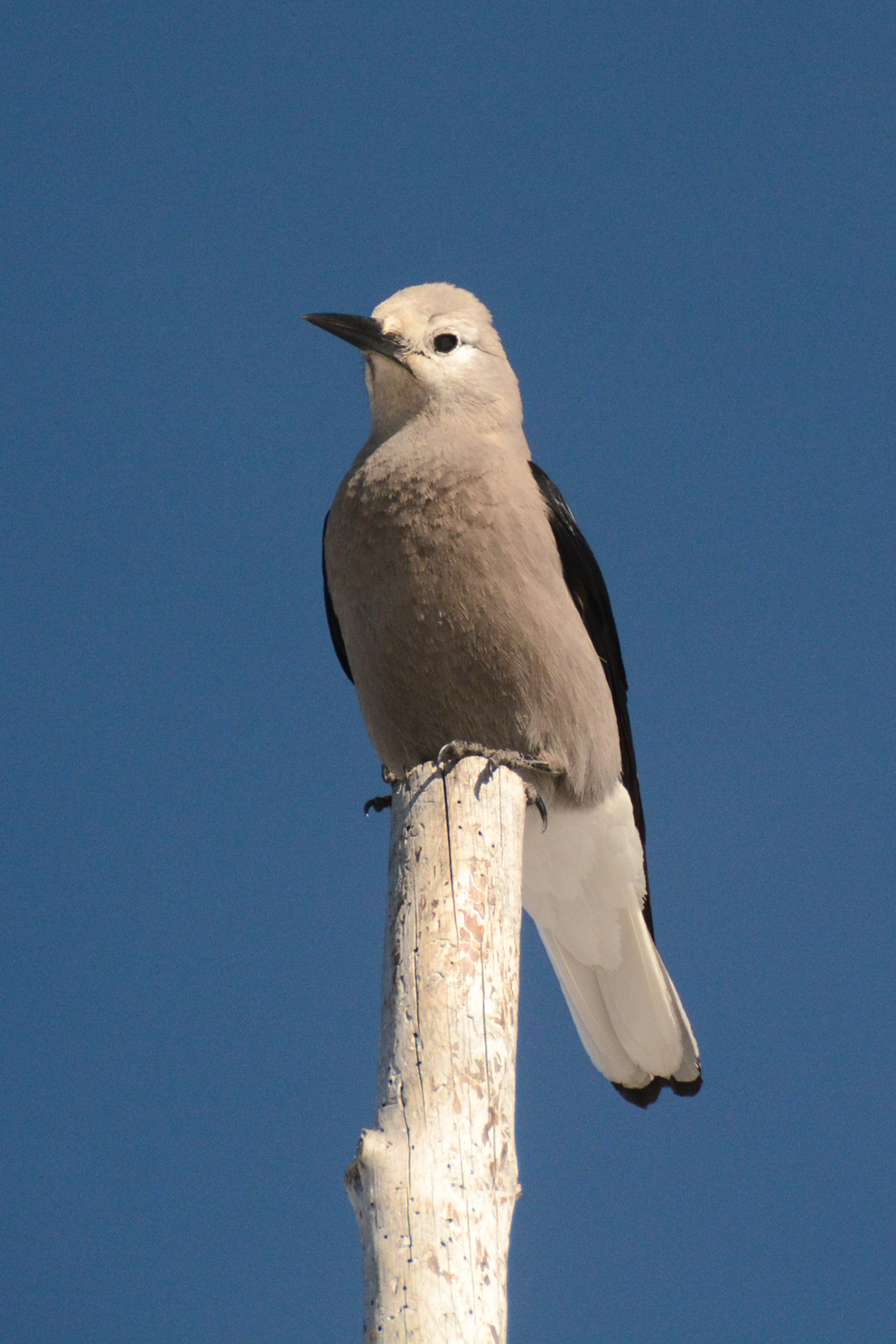
A Clark's Nutracker. Photo by Chaney Swiney.

A Clark's Nutracker. Photo by Chaney Swiney.

Birding is an easy way to engage with your natural surroundings, and anyone can do it. Just bring along your passion for birds, and (ideally) some binoculars! If you're looking for a new pair and need some advice, When Outdoors has an excellent reference guide on their blog here-- and be sure to check out their other blog posts for more advice on adventure gear!

The most importantly advice? Stick with it! The payoff is real. 

"Learning about birds has enriched my life immensely. Hearing and seeing what few others do makes me feel like I have superpowers. Knowing the bird life of an area helps me connect with that place deeply!" -- Danny
 

BIRDING RESOURCES

Naturalist Guide Chaney Swiney has some pretty specific favorites when it comes to birds. Chaney's favorites, according to habitat are:

And the unlikeliest bird he's seen in Central Oregon? The Emperor goose, which is native to coastal Alaska and Siberia, but occasionally strays down the Pacific Coast.


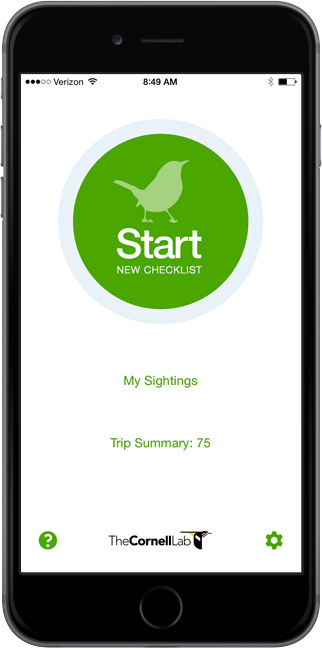
ebird-application
Naturalist Guide Chaney Swiney

Naturalist Guide Chaney Swiney

To keep track of their birding notes, both Danny and Chaney use eBird.org to log their daily sightings, and to see what others have written. 

Chaney, on eBird: eBird is an app (and website) that allows people to create checklists of birds they've seen and thus participate in "the world’s largest biodiversity-related citizen science project." I use eBird on almost every paddling trip I lead, whether on the Deschutes River, or up at one of the Cascade Lakes, contributing to this massive and growing database of bird populations and distribution. Plus, it helps me keep track of species I've seen, automatically generating a life list along with records for each state, county, and hotspot where I've made a list. However, eBird doesn't serve as a field guide, so if you need help on bird identification, download eBird's sibling app, Merlin. Learn the species around you, and once you recognize them by sight or sound, get out there and make your own checklists!