The A-to-Zs of Central Oregon: L is for LOGGING

Logging in Bend Oregon

The history of logging in Central Oregon might as well be a history of Bend! Heard of the Old Mill District? As the name implies, it was originally a sawmill, one of the biggest in the world at the time. How about Drake Park? Today it’s one of our favorite green spaces along the Deschutes River. It’s named after Alexander Drake, the entrepreneur behind the first lumber mill in Bend. 
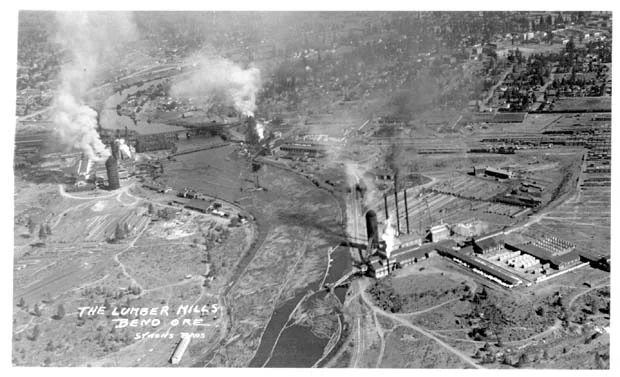
Image courtesy of TrainWeb.org. 

Image courtesy of TrainWeb.org. 

The Early Days

Okay, we weren’t completely truthful above; a history of Bend’s really early days would be mostly about ranching. But after the ranchers were established, there were a few forward-thinkers who secretly realized that the vast virgin forests of central Oregon held riches within. With the supply of jack pines and Douglas-firs from the Great Lakes and the western Cascades regions almost completely depleted, there was a need for new reservoirs of lumber. The eastern Cascades would be one of them.

These pioneers also realized that, without railroads extending into central Oregon, they wouldn’t be able to do anything with the lumber after they cut it! So, instead of developing mills and hiring workers, they waited patiently and acquired hundreds of thousands of acres of timberland. Much of that land, acquired through a legal loophole, would later be returned to the federal government and incorporated into our beloved backyard: the Deschutes National Forest.
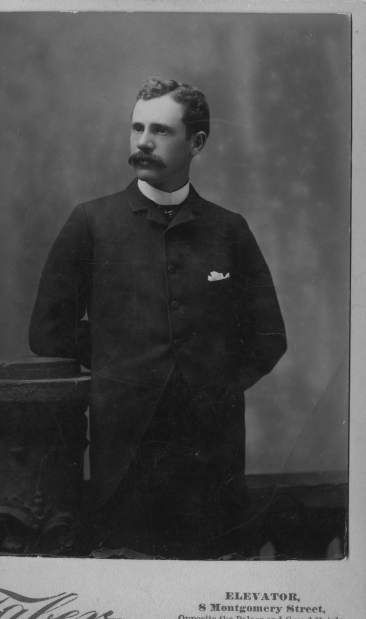
Alexander Drake. Image courtesy of the Deschutes Historical Museum

Alexander Drake. Image courtesy of the Deschutes Historical Museum

The turn of the century saw Alexander Drake, a middle-aged businessman, pick up and move his family from Minnesota to Oregon – in a covered wagon, no less. Must have been a pretty severe midlife crisis! Upon arrival, he immediately formed the Pilot Butte Development Company, which built irrigation canals (some of which are still in use), buildings, and – you guessed it – Bend’s first commercial sawmill. The Columbia Southern railroad ended over 80 miles away, so the Pilot Butte Company still dealt with the challenge of exporting the logs they cut. With all this development, the city of Bend was incorporated in 1904.

Image courtesy of OSU Special Collections

Image courtesy of OSU Special Collections

The Boom Years

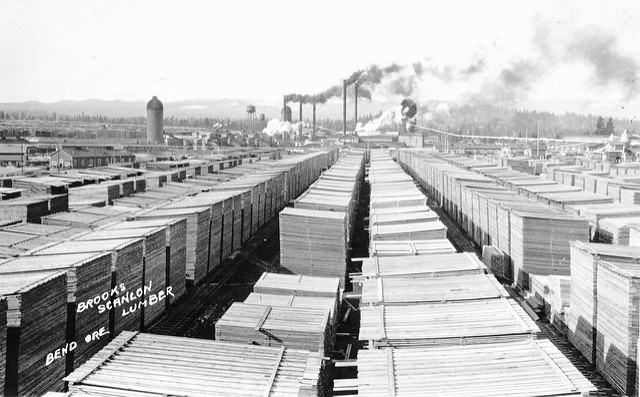
In 1916, just a few years after the railroad finally reached the tiny town of Bend, two corporations from Minnesota followed in Drake’s footsteps and opened up two of the largest mills in the world – one just months after the other – on the banks of the Deschutes River just south of downtown. Bend’s population ballooned from 500 to 5,000 in just a few years, a growth attributable almost entirely to lumber.

Image courtesy of OSU Special Collections

Image courtesy of OSU Special Collections

Logging eventually came to Prineville, Chemult, Sisters, and other towns in central Oregon, but the largest production by far came from the areas around Bend. That’s where the mills were! Smaller mills supplemented the two behemoths because the forests around Bend were perfect for logging. Our native ponderosa pines were straight, tall, and so open that you could drive a Model T through the forest without a road. Still, you can’t carry lumber on a Model T. Rail was the way to go. By 1930, logging railroads ribboned in every direction from Bend. Lumberjacks, leaving clear-cuts in their wake, moved to where the trees were, and their houses, built to be portable by rail with lightweight materials and foldable porches, went with them. The Deschutes River, which the mills used as a retaining pond, became choked with logs.

Such rabid production could not last. By the late 1940s, the environmental realities of so much clearcutting began to catch up with the mills. At peak production, the 500 million board feet sawed per year by the big mills in Bend had been over six times what the forests in the area could sustainably support. The Shevlin-Hixon mill sawed its last log in 1950.
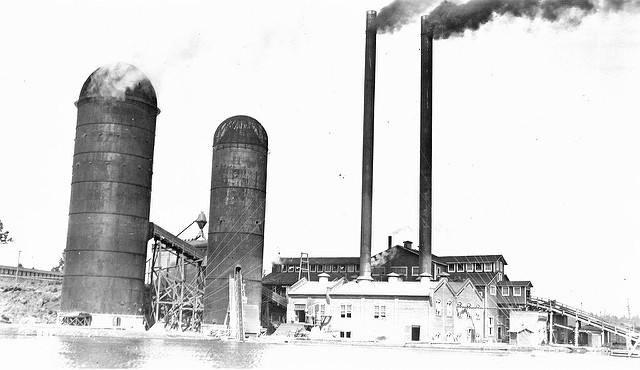
The old Brooks-Scanlon saw mill. Image courtesy of OSU Special Collections. 

The old Brooks-Scanlon saw mill. Image courtesy of OSU Special Collections. 

Transition

Brooks-Scanlon, Bend’s other mill, absorbed Shevlin-Hixon’s operations and continued cutting away until the early 1990s. By then, timber harvests had declined significantly, and almost all the other mills had closed as well. Only one mill currently remains in central Oregon, about 50 miles south of Bend in the former company town of Gilchrist. And, though there are no mills here anymore to process the timber, there is still logging in the Bend area as well. The legacy of our industrious beginnings lives on.

The Old Mill today. 

The Old Mill today. 

It is because of logging that…

  • Many Forest Service roads, having been built on the old logging railroad grades, exist where they are.

  • Scandinavian millworkers first came to the Cascades, bringing sports like alpine skiing with them.
  • The iconic smokestacks of Bend’s Old Mill District exist; they are the original smokestacks from the powerhouse of Brooks-Scanlon’s Mill B. Today they adorn and give historical context to REI.

So in the Central Oregon A-to-Zs, how could L not be for logging! We could go on and on about the operations of the mills in Bend, or the groundbreaking legislation that opened the American West, or how logging and fire interrelate on our National Forest land.

Come on a tour with us and learn more!


Guest post by Naturalist Guide Danny! Check out his adventure blog here

Sources:

http://www.trainweb.org/highdesertrails/bslco.html

https://oregonhistoryproject.org/

Danny-Naturalist-Guide-Wanderlust

The A-to-Zs of Central Oregon: K is for KAYAKING

Cascade-Lakes-Bend-Oregon

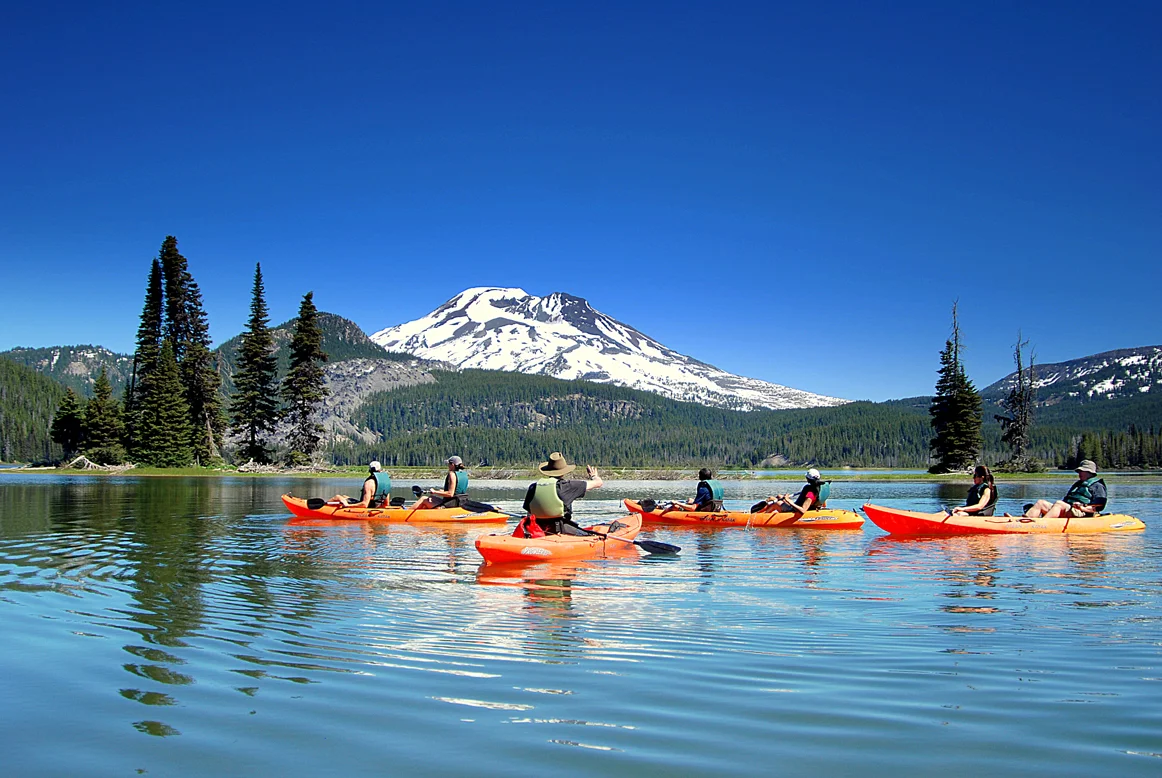
Kayaking is one of our FAVORITE activities in Central Oregon, and we try to get out on the Deschutes River or the Cascade Lakes as often as we can. You can join, too! We'll discuss a bit of the history and nuances of kayaking in this post. 

KAYAKING: SINCE THE STONE AGE

Ancient-Canoe-Wanderlust-Tours
Inuit-Canoes

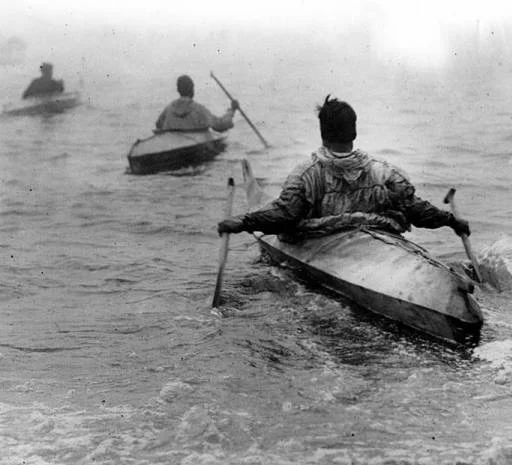
We owe kayaks to the Inuit in the northern Arctic. The word kayak translates to "hunter's boat," and that's exactly what they used these small, covered vessels for-- hunting and fishing to provide food for their families. The design of the kayak allowed Inuit hunters to sneak up behind their prey without alerting them. 

The Inuit people used many materials to construct their kayaks, but most often the frames were constructed from whalebone, with animal (usually seal) skin to create the body. After gaining popularity among Europeans in the mid-1800s, the design and materials of kayaks began to change in order to incorporate recreational desires. In the 1950s, the first fiberglass kayaks were developed, followed by polyethylene plastic kayaks in the 1980s. 

The sport is now considered one of the most popular water sports in the world, with 10 different white water kayaking events in the Olympics! 

The Basics: What's the Difference
Between Canoeing and Kayaking? 

Canoe-Tours-Bend-Oregon
Wanderlust-Tours-Kayaking

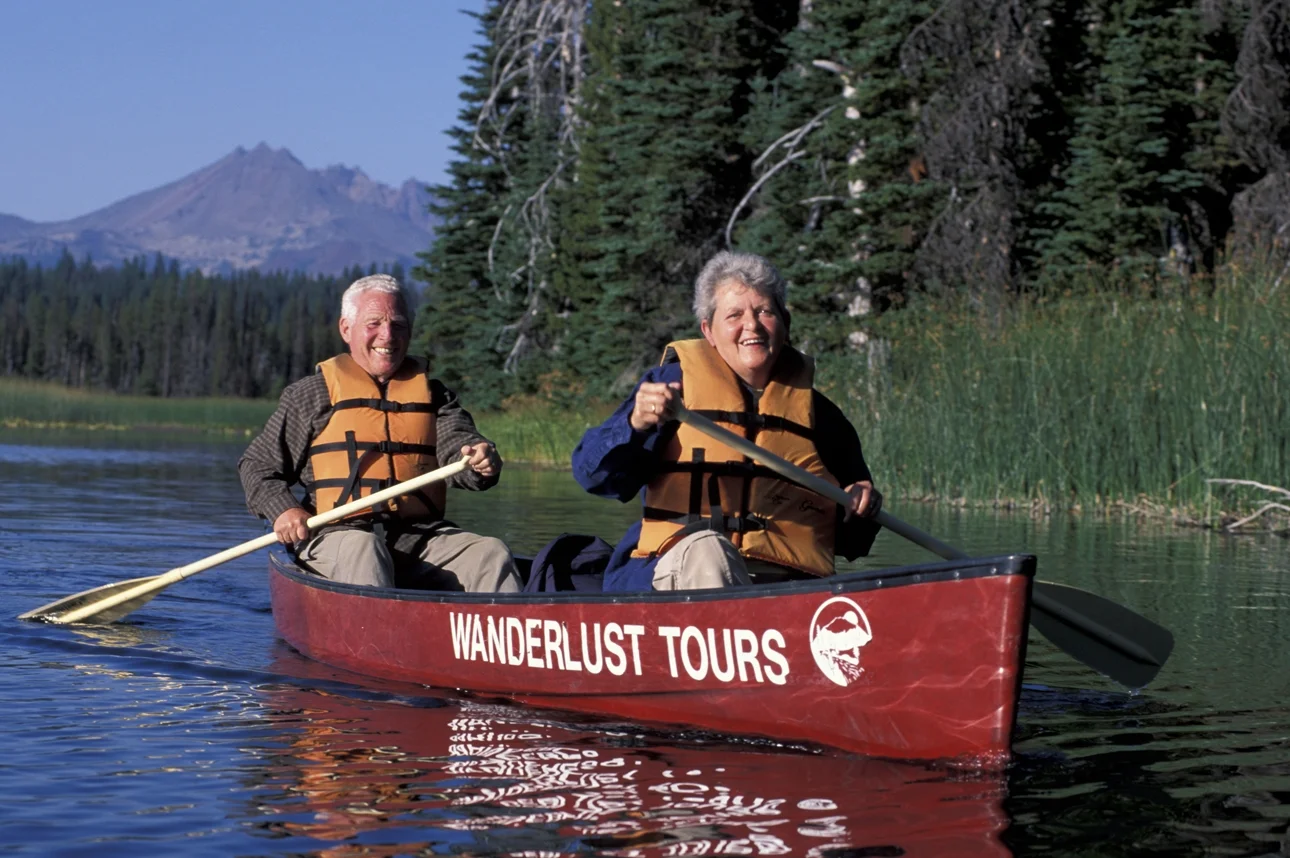
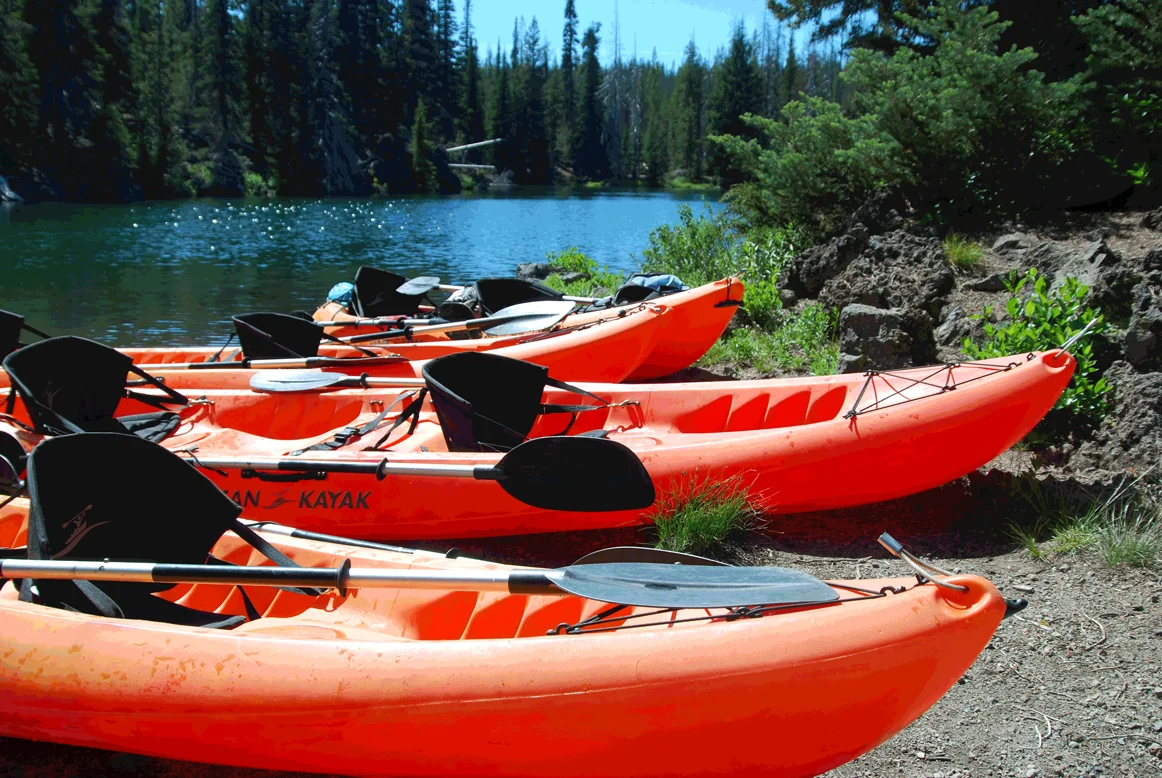
Apart from the obvious difference in appearance, canoeing and kayaking require different techniques, and gear. Canoes traditionally have an open-top construction, and kayaks are typically closed on top (though you'll notice Wanderlust Tours actually uses an open-top kayak-- we'll get into that later on). 

When canoeing, the paddlers use a single-bladed paddle, paddling on opposite sides of each other for balance. Conversely, kayaking utilizes a double-bladed paddle, and riders paddle on both sides to move forward and backward. Paddlers in canoes generally sit on a wooden bar that crosses the boat, or they kneel on the bottom of the canoe. Kayakers are almost always seated, with their legs stretched out in front of them. Canoes are generally used to carry more people and supplies than kayaks. For this reason, kayaks are often easier to maneuver. 

Kayaking-Tours-Bend-Oregon

This sport is so dynamic; there are lots of varieties of kayak, and kayaking! Here are a few: 

whitewater-kayak


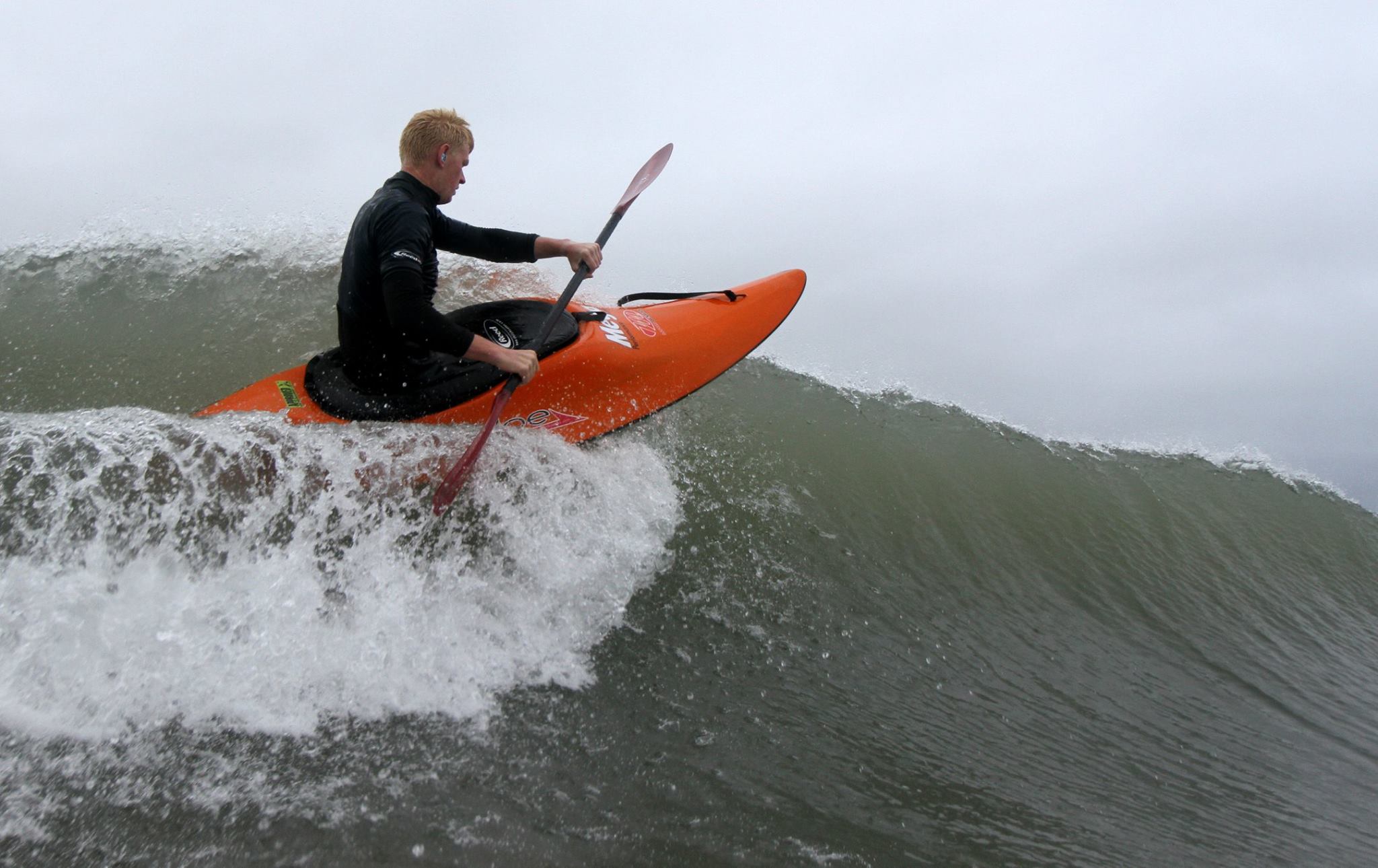
Surf Kayaking

Surf kayaking is exactly what you think it is: surfing waves on a specially-designed kayak! This has become a popular sport in areas where traditional board surfing occurs. These kayaks are often designed with a flat planing bottom, and a sharp, surfboard-like nose to help crest waves.

Sea Kayaking

Sea (or "Touring") Kayaks are, as their name suggests, seaworthy, and are generally designed for longer journeys out on the water. These kayaks are less maneuverable than other kayaks, favoring a more elongated shape to increase cruising speed and o allow for more cargo. These kayaks can be used for marine journeys around the world, and can usually accommodate up to three paddlers. 

Whitewater Kayaking

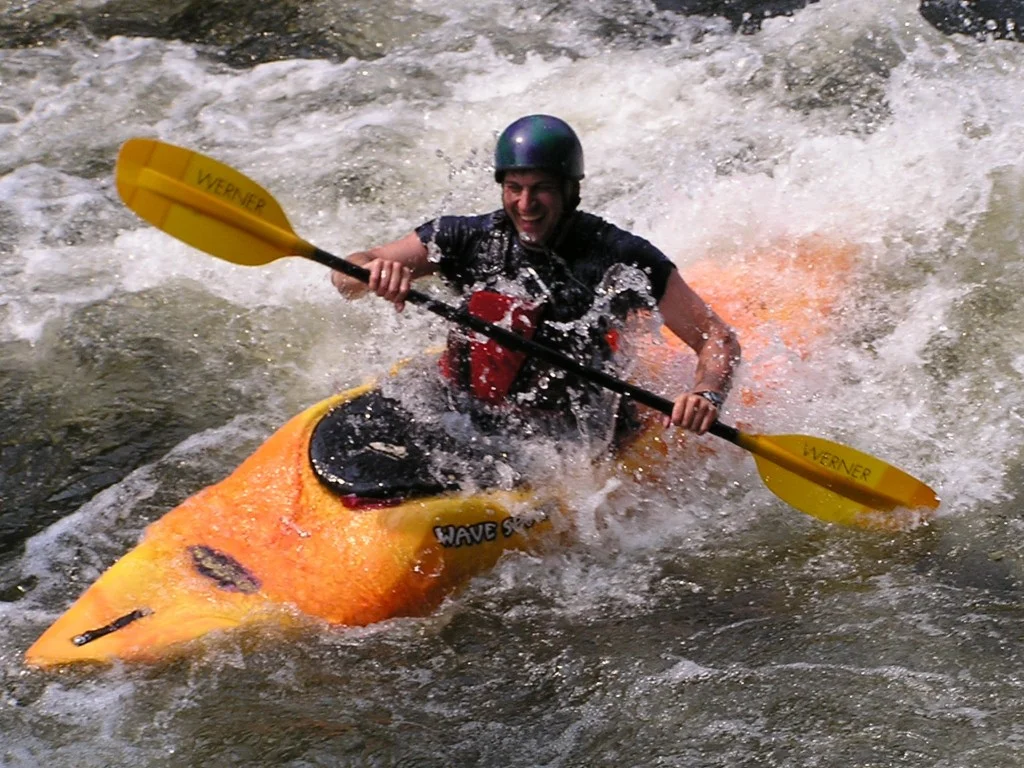
This is perhaps the most common type of kayaking that comes to mind. There are several genres of whitewater kayaking, but the basic idea is to tackle the more difficult rivers, streams, and creeks where rapids (creating "white water") are present. There are several whitewater kayak designs, depending on the desired


Photo courtesy of Mega Kayaks

Photo courtesy of Mega Kayaks

Sit-On-Top Kayaking

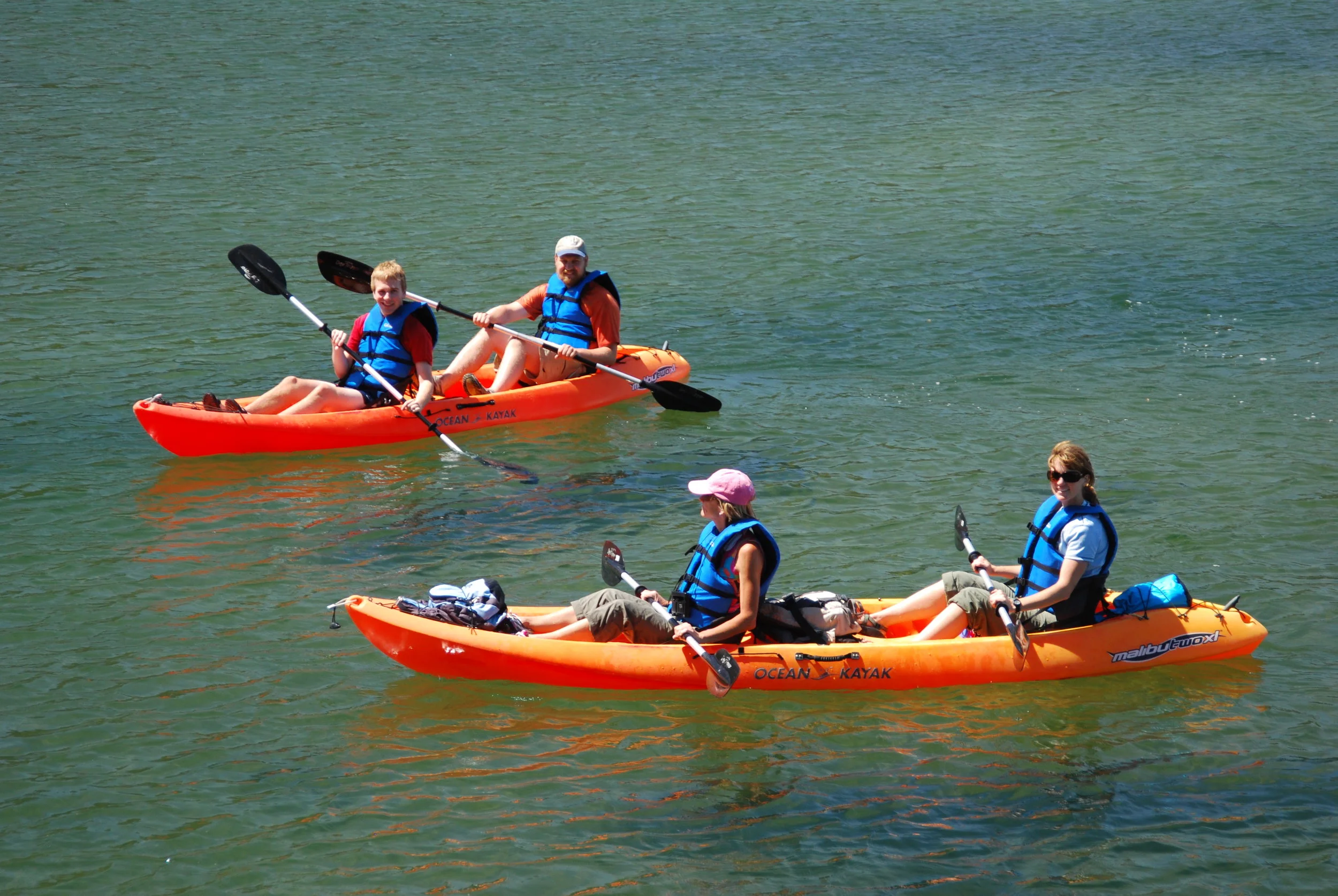
This is the type of kayak we use on our Kayaking Tours! These are great kayaks for general recreation, and work great for specialized activities like fishing, diving, swimming, and even surfing! These are easily used by all skill-levels, as they are easy to paddle and very stable. The shape of these kayaks is similar to other traditional kayak shapes, but rather than sitting within the kayak, you're seated in a molded depression on top of the kayak. For this reason, these kayaks are generally more comfortable, accommodating nearly all body sizes and types. 

Kayak-Wanderlust-Tours

The A-to-Zs of Central Oregon: J is for JUNIPER

Juniper-Tree-Central-Oregon

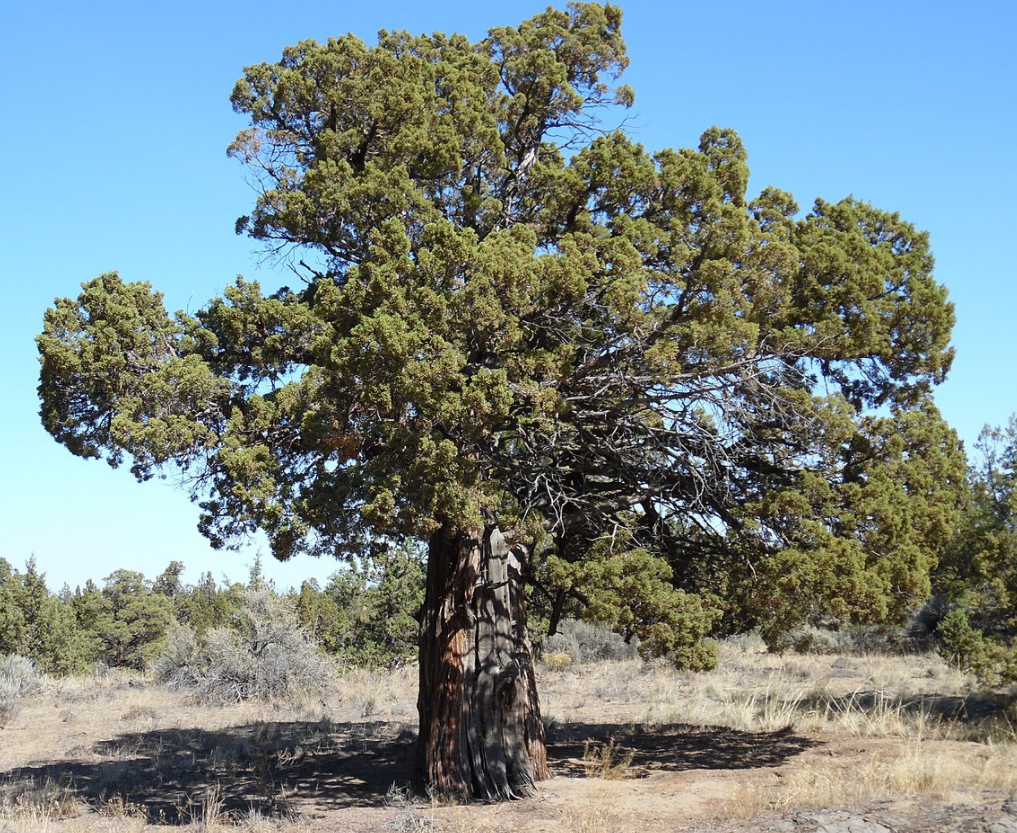
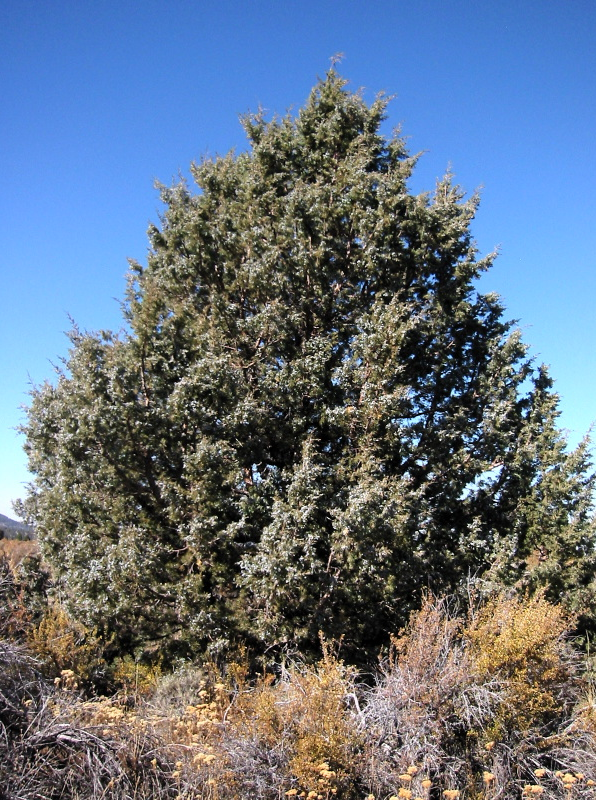
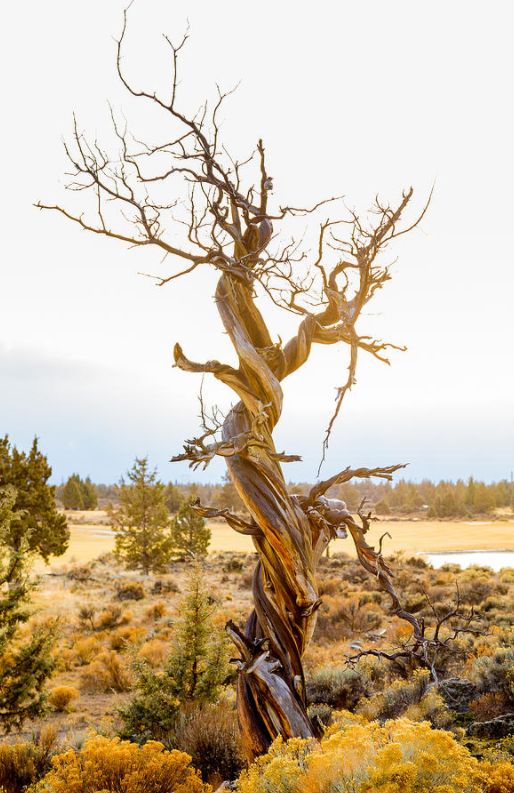
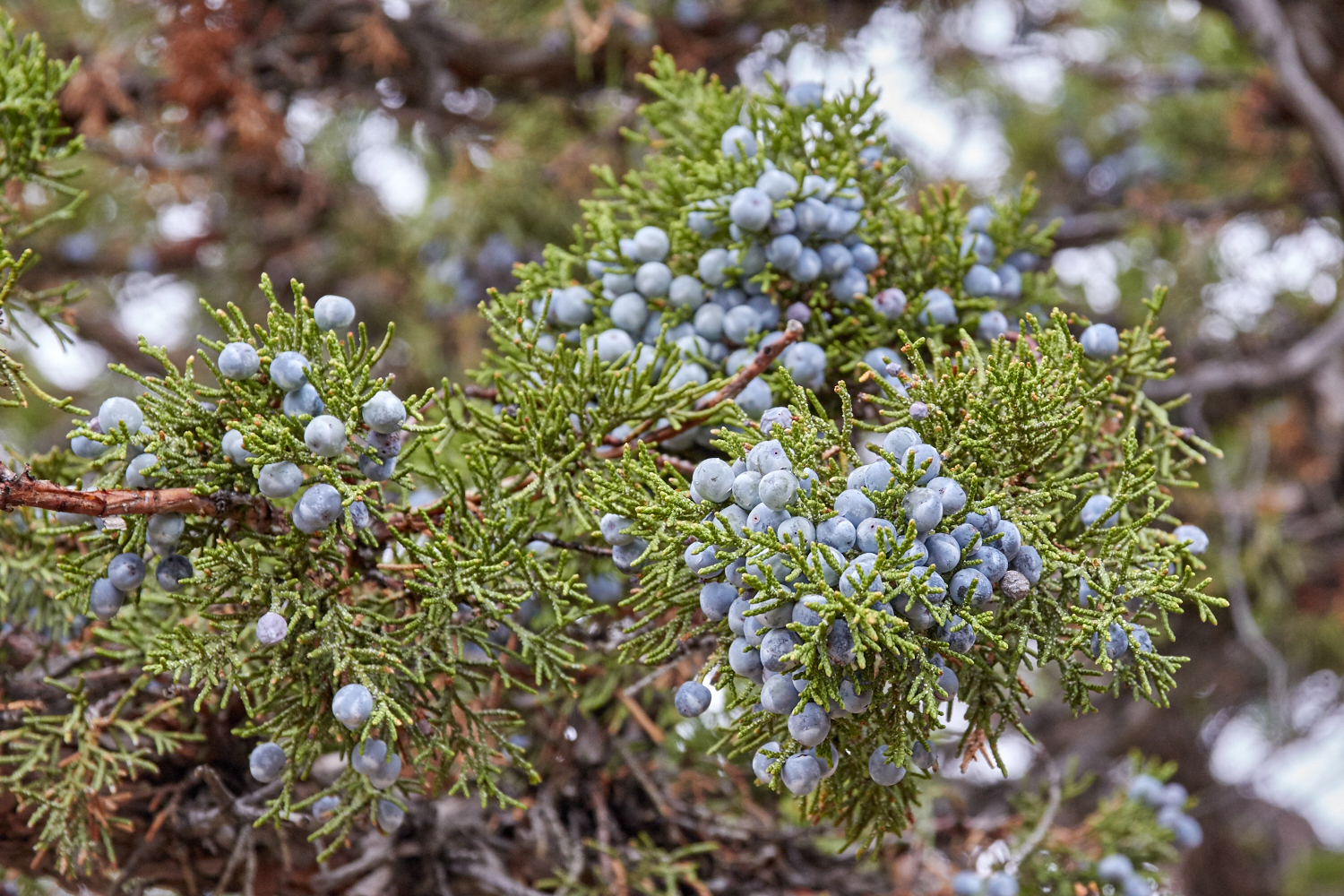
Out in the desert, it's pretty easy to spot these two things: a sea of sage, and JUNIPER TREES! These hardy trees are dotted all across the Central Oregon landscape, and are known for their twisted trunks and pale blue berries. 

Trees-in-Bend-Oregon

The variety of juniper found in Central Oregon is the Western Juniper, or Juniperus occidentalis. These are amazingly hardy trees (understandably so, as they thrive in the arid high-desert conditions). They typically grow 15 to 30 feet tall, but rarely much more than that. 

wood-planing-guide-bend-oregon
Juniper-Tree-Bend-Oregon
Juniper-Tree-Trunk-Oregon

THAT'S SOME BAD LUMBER!

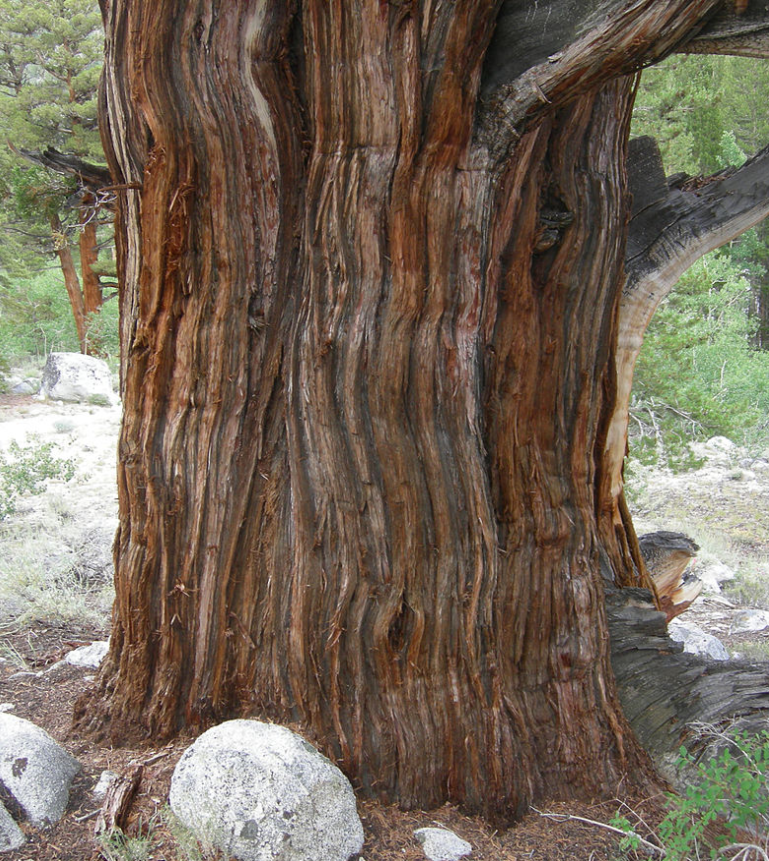
Juniper does not make for great lumber. Although it may appear to grow straight enough from the outside, the trunk of a juniper grows in a unique spiral beneath its bark. Due to its twisted innards, it is difficult to plane juniper wood. Thank goodness for the straight, tall Ponderosa Pines that fueled the beginning stages of Central Oregon's booming logging industry! (Yes, we'll talk all about that in a later blog post-- stay tuned!) 

A bed frame made by Juniper Guy, from Mitchell, OR. 

A bed frame made by Juniper Guy, from Mitchell, OR. 


THE BEAUTY WITHIN

While juniper is not used for traditional lumber, its unique, twisting bark lends something to creative pursuits. For this reason, it is a popular wood to use in sculpture and furniture-making. 


juniper-berries-oregon

GIN GIN GIN 

That's right -- who could forget about GIN? Juniper berries supply the quintessential sharp, piney flavors often associated with gin. Bend's very own Crater Lake Spirits makes a delicious gin, infused with juniper. 


A BIT TOO PROLIFIC

While beautiful in their own right, their resiliency has allowed the Juniper to spread in a similar manner to an invasive species. Because a large reason for their proliferation is a result of human interaction in the environment, they are not truly considered an invasive species as we have played a major role in their spread to other territories and ecosystems. Juniper are so good at surviving in this climate, they will elbow their way into the traditionally sagebrush-dominated ecosystem, taking sun, water, and nutrients from any Quaking Aspen, Bitterbrush, Mountain Mahogany, and other species of tree that might have tried to grow there instead. 

The Ancient Juniper Trail

The Ancient Juniper Trail

Over 9 million acres of Oregon's Central and Eastern landscapes are covered with this tree, which can suck up to 40 gallons of water a day, even from the arid desert soil! In fact, the Western Juniper has made its way into Northern California, Idaho, and Washington, and these lands comprise the largest Western Juniper woodland on earth. It's no wonder that many local companies and businesses refer to the juniper in their names, and logos.