The A-to-Zs of Central Oregon: F is for FLY FISHING

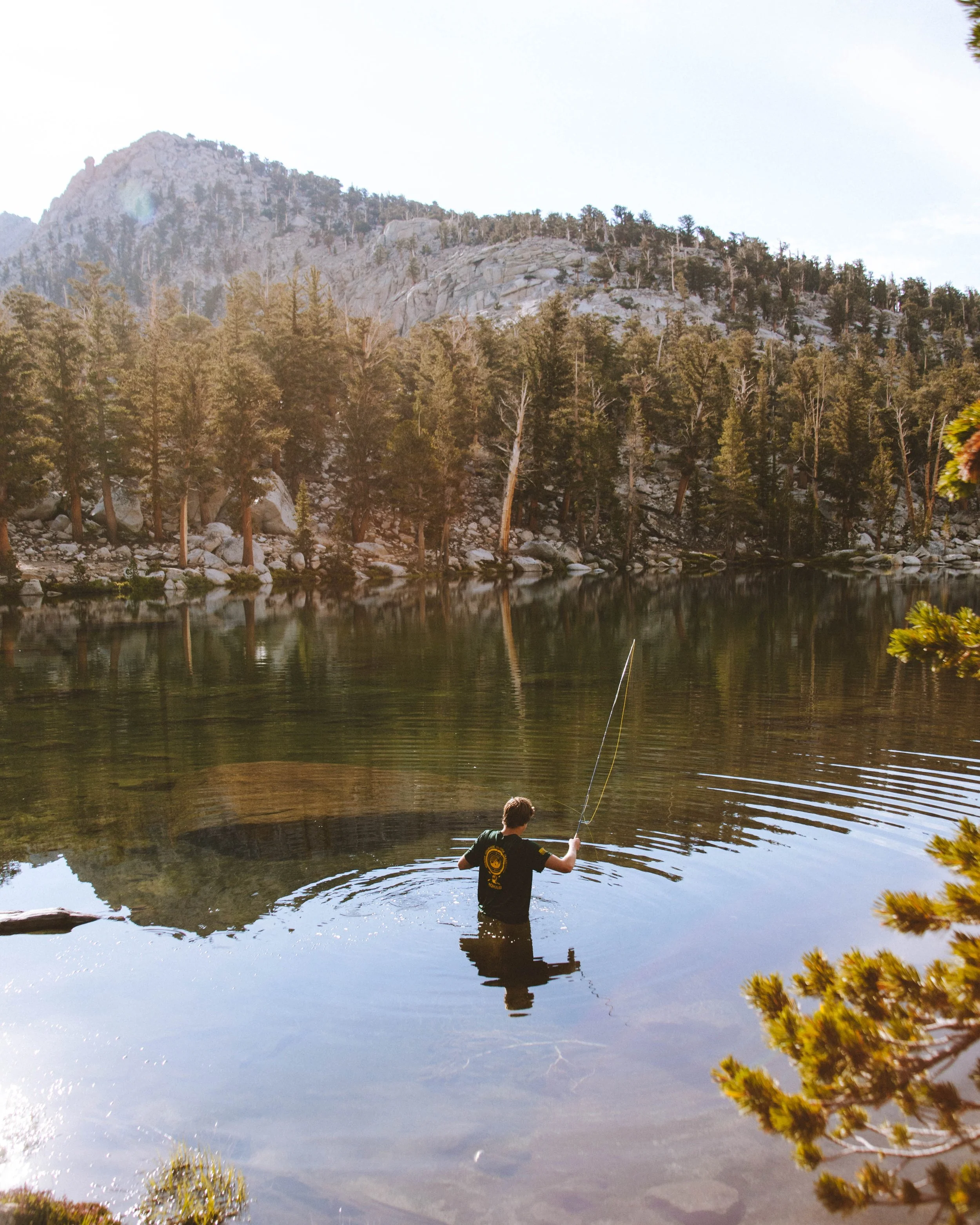
Photo by Hayden Hunt

Photo by Hayden Hunt

FLY FISHING IN BEND

Did you know that Bend is one of the top-rated fly fishing towns in the country? The Deschutes River alone has over 252 miles of fishable waters, not to mention all the beautiful lakes, creeks, and streams that offer stunning scenery and an ample supply of fish. 
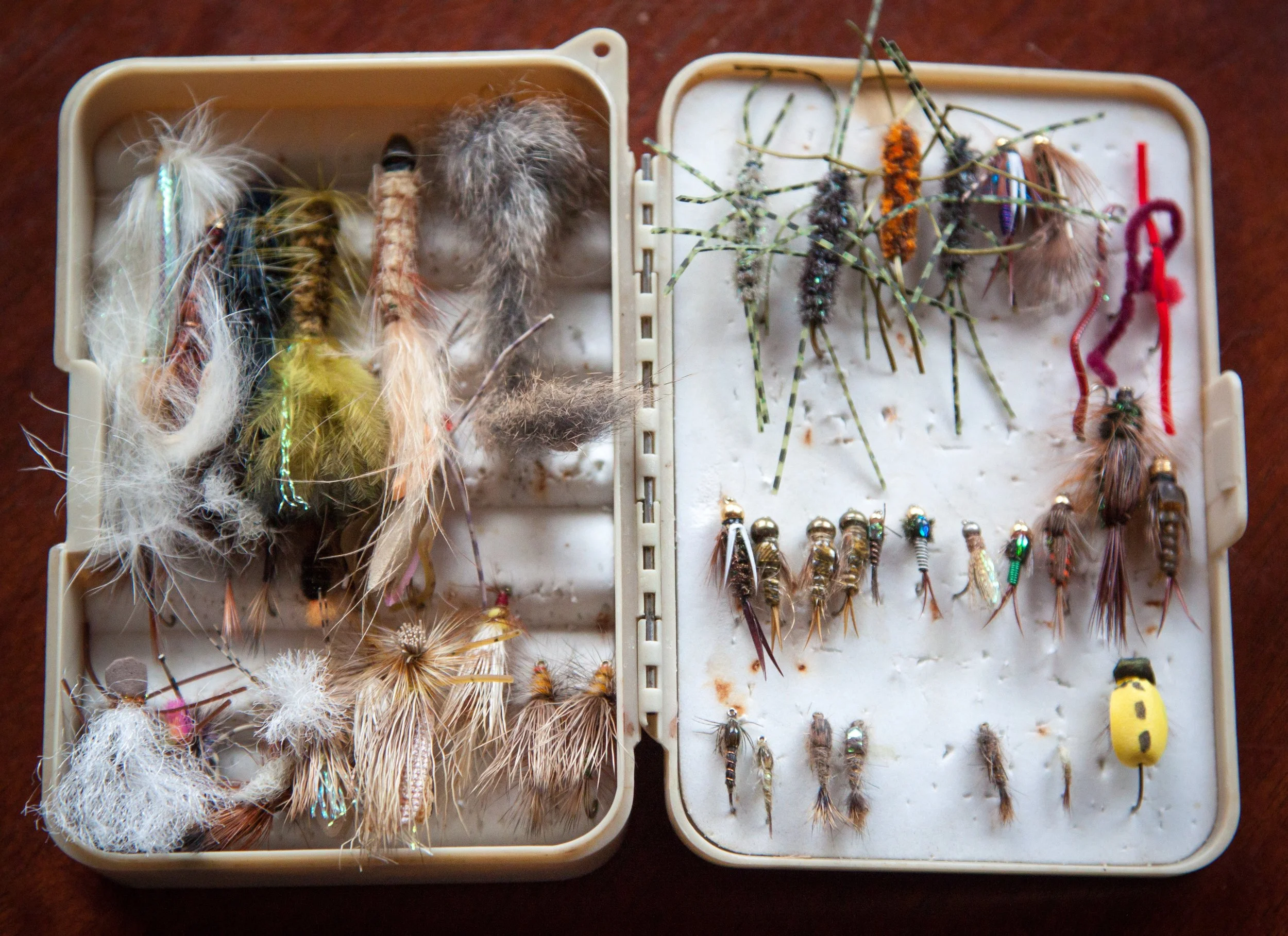
Photo by Sarah Labuda

Photo by Sarah Labuda

WHAT IS FLY FISHING? 

Fly fishing is a technique of fishing, a little different than the traditional Bank Fishing you might be familiar with. An artificial "fly" is cast using a fly rod, reel, and specialized weighted line. The idea is to cast in a way that emulates a fly on top of the water in order to attract the fish! 

FISH OF CENTRAL OREGON

While we don't lead fishing tours of any kind, we do appreciate the fish that inhabit our beautiful waters! We have an abundant fish population, some of which is stocked regularly for fishing purposes. Native fish species include: 

 
  • Bull Trout

  • Resident Rainbow Trout

  • Mountain Whitefish

  • Summer Steelhead

  • Redband Trout

THE IMPACT

Fishing is a fun, engaging way to develop a relationship with your local body of water. But with any recreational activity comes the opportunity for negative impact: trash, pollution, and disruption are often the partners of human activity. Without special care and attention, humans can leave a huge impact resulting in an unhealthy environment-- not to mention a declining fishing and wildlife population! For these reasons and more, it's very important to fish responsibly. 
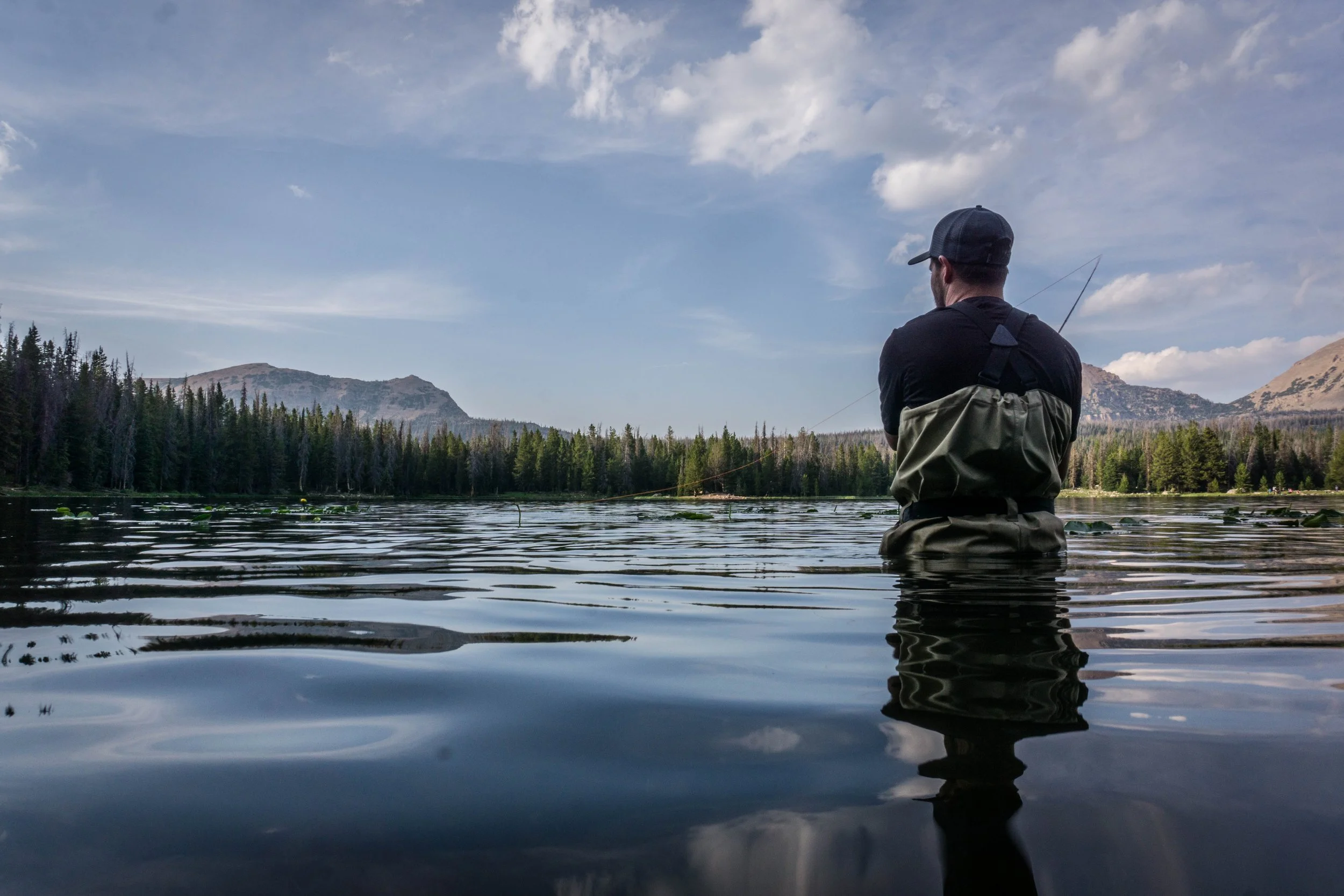
Photo by Tyson Dudley

Photo by Tyson Dudley

HOW CAN I BE A RESPONSIBLE FISHER?

Just by asking this question, you're taking the first step! Considering the environment should be a core issue for every outdoorsperson, especially when considering that preserving habitat directly affects activities like recreational hunting and fishing. 
Photos Courtesy of Boy's Life Magazine
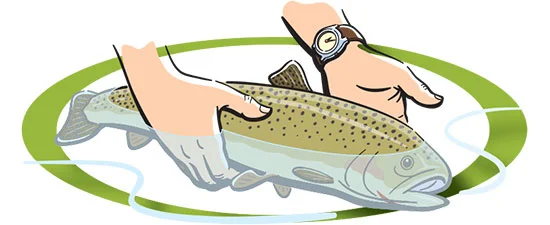
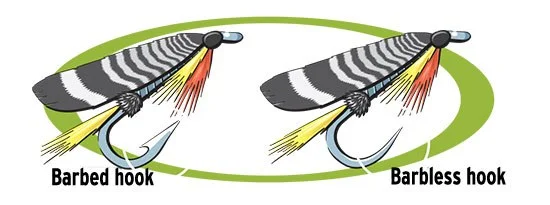
Photos Courtesy of Boy's Life Magazine


1. PICK UP YOUR GARBAGE, INCLUDING EXTRA FISHING LINE! 

2. CONSIDER CATCH AND RELEASE. IT LEAVES MORE FISH TO SPAWN, AND MORE FOOD SUPPLY FOR LOCAL WILDLIFE!

3. IF YOU CATCH AND RELEASE, USE BARBLESS HOOKS THAT WON'T INJURE THE FISH AS MUCH AS BARBED HOOKS. 

4. IF YOU DO KEEP YOUR FISH, DON'T TAKE MORE THAN YOU NEED. THE ECOSYSTEM RELIES ON THESE FISH FOR A HEALTHY BALANCE!


If you love to fish, you know how important it is to protect the fish themselves. After all, without a healthy habitat, there would be no fish to enjoy catching. That said, the tradition of fishing is directly linked to life in the Pacific Northwest, and we have nothing but respect for the art of fishing. So, get out there and land a big one! 
 

LOCAL FLY FISHING RESOURCES
 

Confluence Fly Shop is a great resource for fly fishing classes and events, as well as gear and guides. 
ODFW

The Oregon Department of Fish & Wildlife is a great resource if you're wondering about the rules for fishing in a certain place, or about the local flora and fauna. 

Old-Mill-Bend-Oregon

Did you know The Old Mill has a unique, permanently-fixed Casting Course, the first of its kind in North America? Check out their site, with tons more resources for fly fishing in Central Oregon. 
The A-to-Zs of Central Oregon: E is for ECOTOURISM

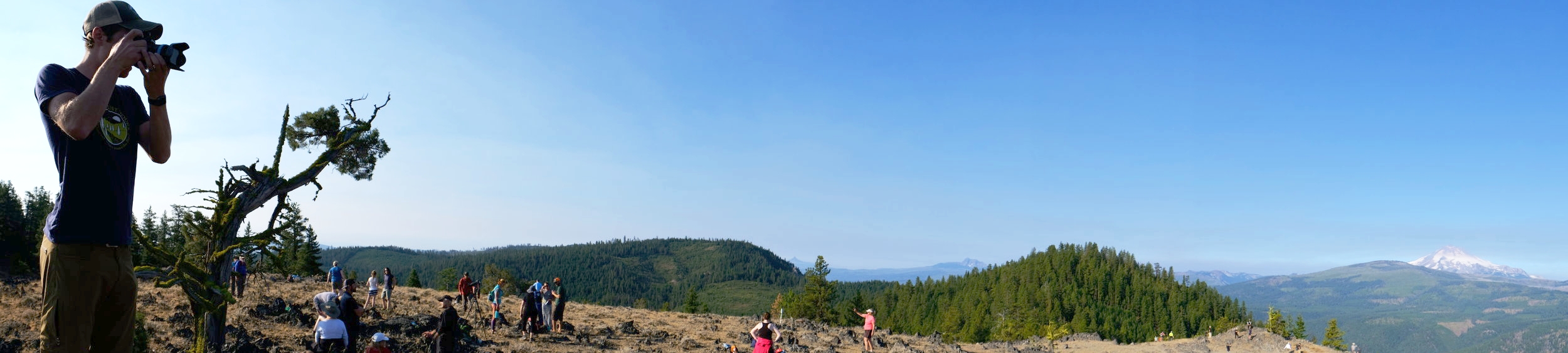
Photo by Pat McKinney

Photo by Pat McKinney

Traveling is the best! Who doesn't love seeing new places, experiencing new things, and learning about different cultures and climates? At Wanderlust, we are so grateful for those visitors to the Bend, Oregon area that want to learn about Central Oregon's natural history. That's why today, on Central Oregon's A-to-Zs, we're talking about ECOTOURISM! 

Cave-Ecotourism-Bend-Oregon

WHAT IS ECOTOURISM?
We love this term because it combines two of our favorite things: traveling, and the environment! Ecotourism is environmentally and socially-conscientious tourism to natural areas of the world. Some of the activities associated with ecotourism are: 

 
  • Volunteering 
  • Observing a natural phenomenon 
  • Learning about the local flora and fauna
  • Enacting the principals of conservation 
  • Attending a class or lecture on local history
  • Low-impact interaction with natural surroundings
Photo by Nick Karvounis

Photo by Nick Karvounis

WHAT ISN'T ECOTOURISM?
Ecotourism excludes activities that are unsustainable for the local environment and local culture. Any tourism that leaves a large impact on the land, or disrupts the daily way of life for the people in the area is not ecotourism. This includes:

 
  • Conventional "resorts" that create an insular experience for guests
  • High-impact recreational activities that pollute the air, water, or damage the landscape
  • Appropriation of local culture for the benefit of tourism corporations
  • Participation in the displacement of local people or wildlife
Photos by Chaney Swiney

Photos by Chaney Swiney

TOURISM IN CENTRAL OREGON
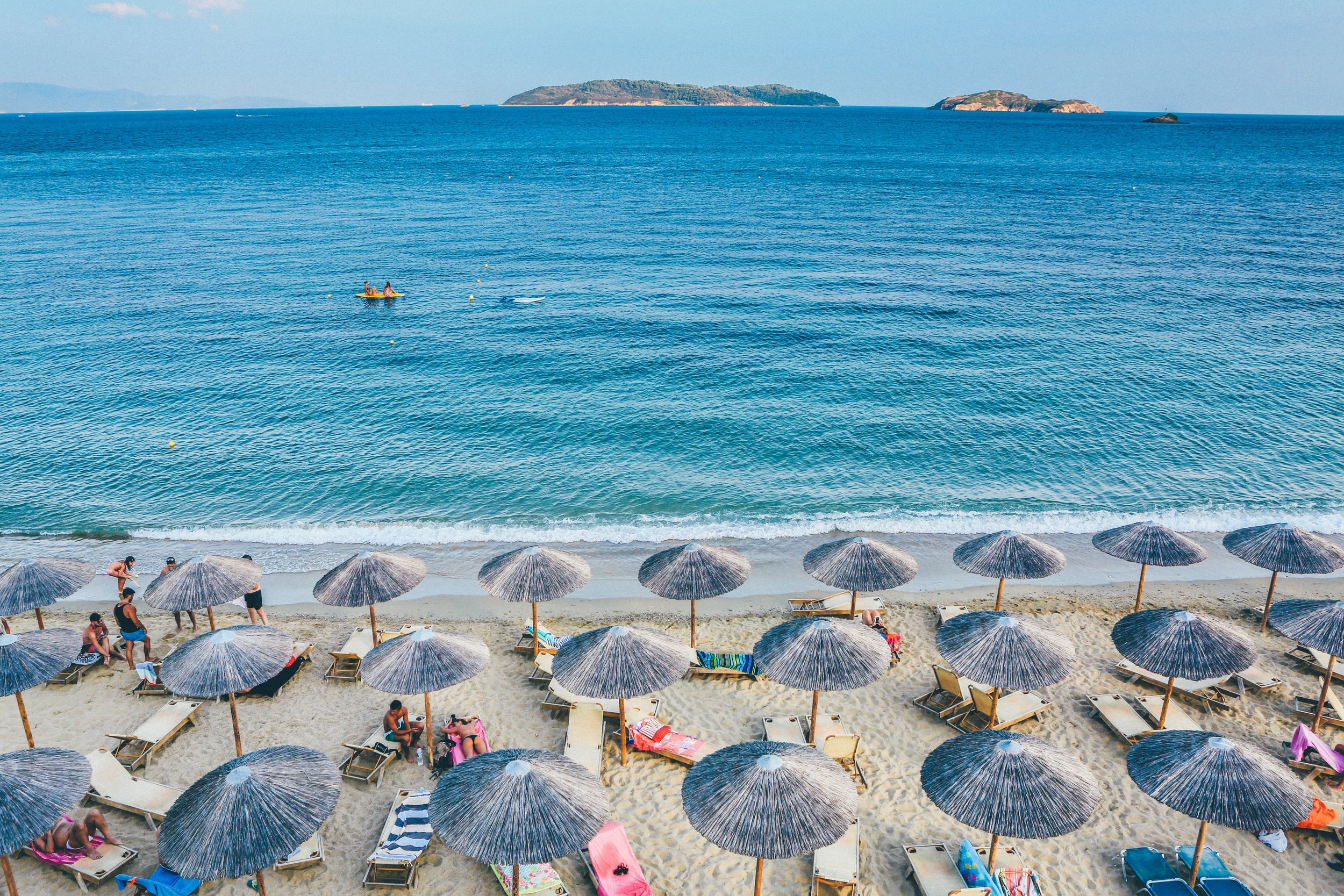
Central Oregon's tourism industry has blossomed over the past decade, and Bend has become a very popular destination for visitors from all over the world. People visit Bend precisely for its pristine air, its gorgeous and diverse landscape, and the countless opportunities to commune with nature-- all of which become increasingly under threat with the increased practice of conventional tourism.

Visiting-Bend-Oregon
Volcano-Tour-Bend-Oregon

OUR COMMITMENT TO ECOTOURISM
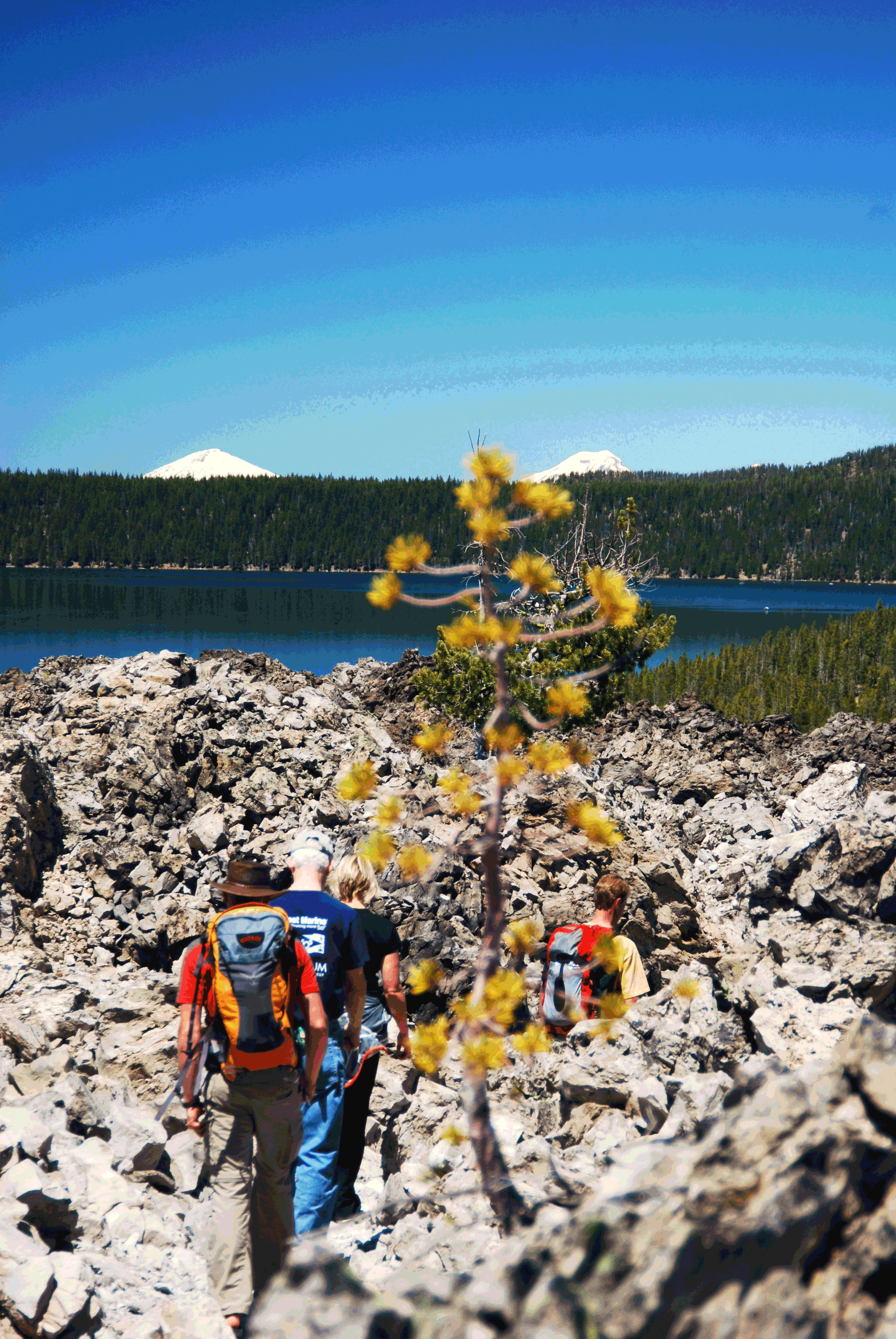
We love Central Oregon with all our hearts and care deeply about protecting our natural resources. At the same time, we want to celebrate this amazing place, and share our knowledge with visitors and locals alike. That's why we've put a lot of thought and care into the tours that we lead, and choose to host low-impact, educational trips through this beautiful landscape. Activities like canoeing and snowshoeing are lower impact, and environmentally-friendly-- allowing us to help to protect Central Oregon while sharing our insights into this special place with our guests. 

HOW TO HELP? 
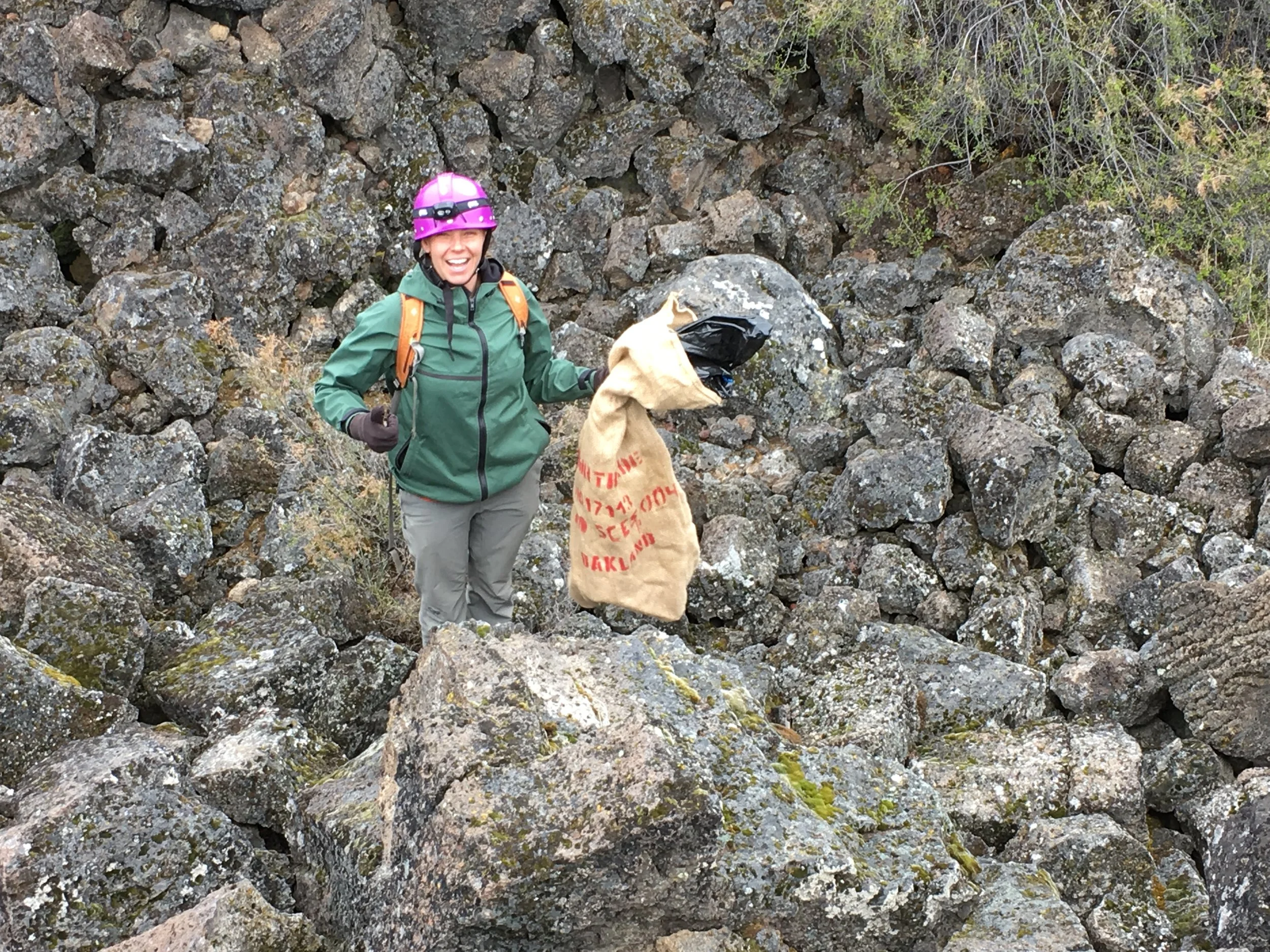
A great place to start is by signing up for events like our annual Cave Cleanup! We encourage you to seek out ways to be environmentally-friendly, whether you're just visiting or you're living full-time in Central Oregon. It's easier than one might think to tweak little things in our daily habits in order to help keep Central Oregon healthy, whether it's being more mindful of plastic consumption, buying locally-made goods, or perhaps opting for a bicycle over a car every once in a while. And when you want to go out and have fun, just take a second and consider the planet when choosing your activity!

The A-to-Zs of Central Oregon: D is for DESCHUTES

Photo by Danny Walden

Photo by Danny Walden

Deschutes-River-Bend-Oregon-AirBNB

The River
We love the Deschutes! You may know it as the beautiful, rolling river that passes right through the town of Bend. Throughout its course, the Deschutes gathers many of the tributaries flowing down from the generally drier, eastern side of the Cascades. It's a powerful, diverse river, starting modestly at Little Lava Lake, and continuing on to become a main tributary of the mighty Columbia River. If you want to learn more about this amazing river, we lead daily canoeing and kayaking trips in the spring and autumn! 

Historical-Deschutes-River-Madras

The History
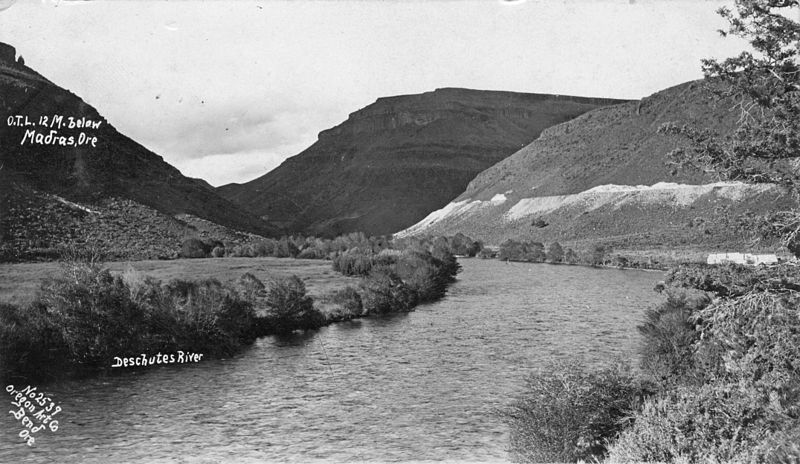
For thousands of years, the Deschutes was an important landmark for Native Americans traveling to and from the Columbia River. It was originally named Towarnehiooks, until French fur traders renamed it the Rivière des Chutes, meaning River of the Falls. The famed cartographers Lewis and Clark first encountered the river on October 22, 1805, briefly renaming it Clarks River, and it proved to be a pretty huge obstacle for those who subsequently followed the Oregon Trail.

Deschutes-River-Canoe-Tour

Recreation
Visitors and locals alike have long enjoyed watching the water as they stroll through Drake Park. Kayaking, rafting, canoeing, and stand-up paddle-boarding are all popular activities. In the warmer weather, it's become increasingly popular to "float" the Deschutes on inner tubes. As with any ecosystem, it's important to be mindful of how we interact with the river and to strive for the least possible impact on its inherent health.
 

Protection
Much like Walt Whitman, the Deschutes is large, and contains multitudes! While it provides fun, and respite from the heat for hundreds of people every year, it's also a delicate ecosystem that supports a variety of wildlife! Fish like Trout, Salmon, and Steelhead rely on the water to stay cool, oxygenated, and clean in order to thrive. A large number of bird species (like the Osprey,  Belted Kingfisher, or Great Blue Heron) also rely on those fish as a food source-- not to mention that all animals need a reliable, clean source of drinking water, including the elk, bears, otters, marmots, foxes, lynxes, beavers, and countless other animals that rely on the Deschutes to stay alive. 

Belted-Kingfisher-Deschutes-River-Bend
River-Pollutants-Deschutes

How to Help
It's always worth considering how you might be affecting the watershed, and the easiest way to avoid further contamination is by purchasing products that won't negatively affect the water. Pesticides are a huge factor in the pollution of rivers-- seek out organic alternatives to products that prevent weeds or pests. It is also important to remember not to pour prescription drugs or any harmful chemicals (including the ones in your cosmetics!) down your toilet. 

The Coalition for the Deschutes is a wonderful nonprofit that advocates for the health and safety of the Deschutes River. They host educational workshops and cleanup events, as well as fundraising for important projects.

We suggest you consider donating or volunteering with them on behalf of this great cause. 

Coalition for the Deschutes

Coalition for the Deschutes